· Lee Chee Cheow, M.Sc. Dip CMP · Digestive Health · 4 min read
Foods That May Help (and Hurt) Acid Reflux: Oats, Bananas, Ginger and Turmeric
Diet plays a real role in how often reflux flares up — some foods are consistently linked to fewer symptoms, others to more. Here's what oats, bananas, ginger and turmeric each bring to the table, and what tends to make reflux worse.
Diet is one of the more directly modifiable factors in managing reflux symptoms. Irregular eating patterns — frequent snacking and large, late-night meals in particular — are strongly associated with reflux in observational studies, and certain individual foods carry a more specific reputation, for better or worse.
Foods that may help, as part of an overall healthy diet
Oats. High in fibre, which helps regulate digestion and may reduce the likelihood of acid reflux. Oatmeal is generally well tolerated and can have a soothing effect on the stomach lining, making it a common choice for a reflux-friendly breakfast.
Bananas. Considered a low-acidity food, bananas may help buffer stomach acid. They are alkaline and rich in pectin — a soluble fibre that helps keep food moving through the digestive tract at a normal pace, reducing the amount of time food sits in the stomach. Since prolonged food stasis in the stomach is linked to increased acid production, this fibre content is thought to help limit the likelihood of reflux.
Ginger. Has natural anti-inflammatory properties and may help soothe the gastrointestinal tract, with some evidence suggesting it can reduce the frequency and severity of heartburn episodes. Ginger tea or ginger used in cooking are both common ways to incorporate it.
Turmeric (curcumin). Turmeric’s active compound, curcumin, has notable anti-inflammatory properties. Turmeric or curcumin supplementation may help support a healthy inflammatory response in the oesophagus and stomach lining as part of general dietary support.
Foods and habits more consistently linked to symptom flare-ups
On the other side of the ledger, a number of dietary and lifestyle factors are more consistently linked to worsening reflux:
- Large, high-fat or fried meals
- Peppermint
- Acidic foods, such as citrus fruits and tomato-based products
- Alcohol
- Caffeinated and carbonated drinks
Beyond specific foods, irregular eating habits — frequent snacking throughout the day and large meals eaten late at night — show a strong association with reflux symptoms in observational research, independent of what is actually being eaten.
Why concentration and absorption matter for curcumin specifically
Turmeric as a spice contains only a small amount of curcumin — typically around 3% by weight — which is one reason dietary turmeric alone often provides a fairly modest dose of the compound most associated with its anti-inflammatory properties. Curcumin is also fat-soluble by nature and poorly absorbed by the body in its standard form, meaning much of what is consumed passes through largely unused regardless of concentration.
For people specifically interested in a more concentrated curcumin intake as part of general wellness, rather than relying on dietary turmeric alone, this is where a dedicated curcumin supplement can be a useful option to consider.
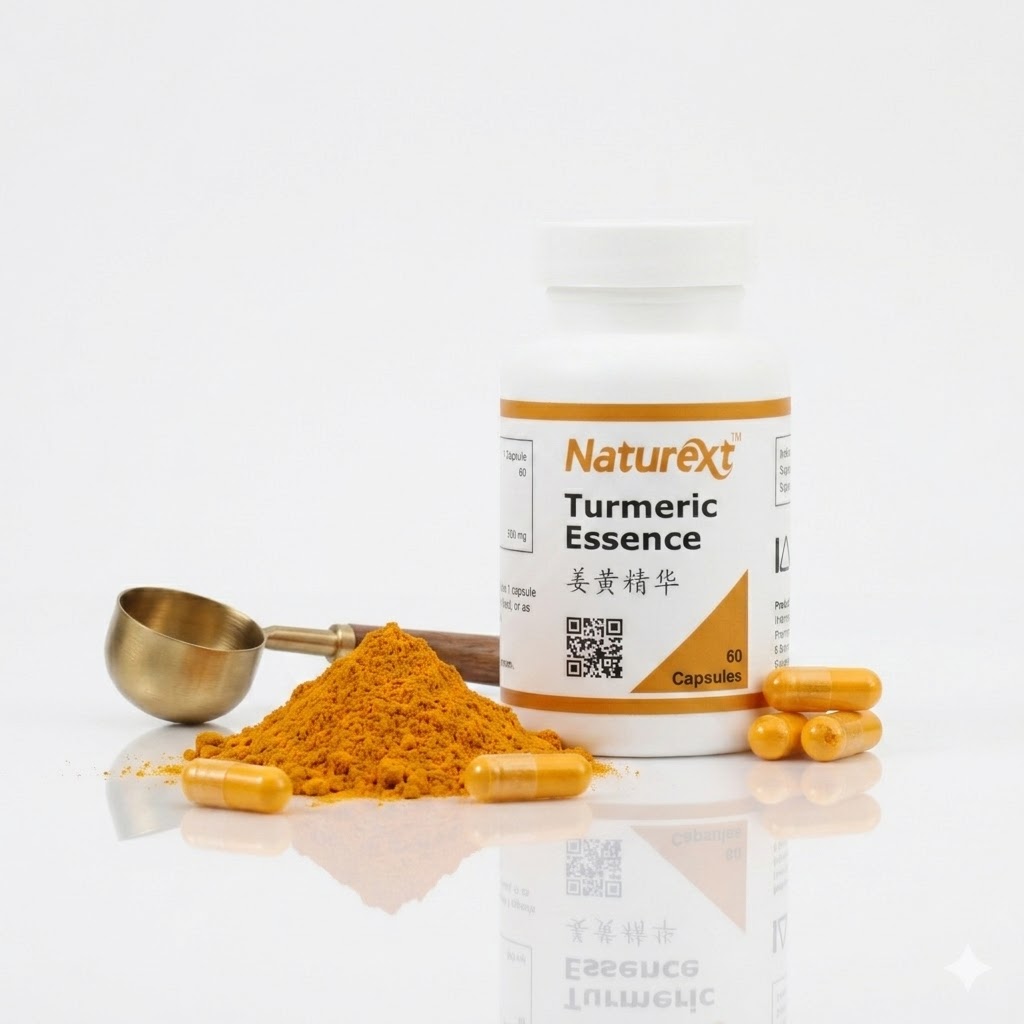
Naturext’s Turmeric Essence is built around addressing both sides of that equation. Each capsule contains a 500mg turmeric root extract standardised to a minimum of 20% curcuminoids — delivering at least 100mg of curcuminoids per capsule, well above what ordinary turmeric powder provides. It also uses a molecular dispersion process that converts the naturally oil-soluble curcuminoids into a water-dispersible form, shown in absorption testing to achieve up to 46 times higher relative absorption compared with standard, unformulated curcumin. It is intended as a general wellness supplement to support a healthy inflammatory response and provide antioxidant support — not as a treatment for GERD or any other digestive condition.
Frequently asked questions
Will eating oats or bananas cure my acid reflux? No single food resolves GERD on its own. These foods are associated with fewer symptom triggers as part of an overall healthy diet, but reflux management typically also involves addressing meal timing, portion size, and other dietary and lifestyle triggers.
Is turmeric supplementation a treatment for GERD? No. Turmeric and curcumin are associated with general anti-inflammatory and antioxidant properties, and may be a useful part of an overall wellness approach, but they are not a treatment, cure, or substitute for medical management of GERD.
Why do citrus fruits and tomatoes trigger reflux for some people? Both are acidic foods, and increased acidity in the stomach and oesophagus is a recognised trigger for reflux symptoms in susceptible individuals, alongside other dietary factors like high-fat meals and carbonated drinks.
This article is for general information only and does not constitute medical advice. If you have persistent reflux symptoms, consult your doctor before making significant dietary changes or starting any new supplement.